
4 May 2026 · 8 min read · VFX / Behind the Scenes / Hollywood
From The Avengers to Godzilla: lessons from 15 years inside Hollywood's VFX pipeline, and how that standard now shapes a studio in Ghana.
By Kwame-Michael Brako, Founder of BrakoVerse Media
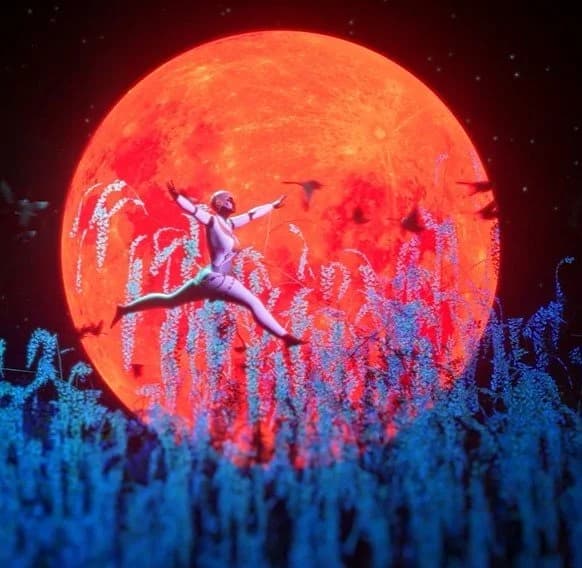
Before BrakoVerse Media existed, its founder spent more than fifteen years inside the machine that makes modern blockbusters, with credits on The Avengers, Iron Man, Godzilla and Guardians of the Galaxy. Those films look like magic from the outside. From the inside, they look like discipline.
This post shares what that discipline actually involves, because the lessons explain how we work today, and why a studio in Cape Coast, Ghana holds itself to the same standard as the facilities behind Marvel's biggest moments.
Lesson one: invisible work is the hardest work
Audiences remember the Hulk smashing through a building. They never notice the two hundred shots around it where the sky was replaced, a crowd was added, a rig was painted out or an entire city block was digital. That invisible work is where VFX careers are actually forged, because it demands the discipline of perfect integration with zero applause.
On a Marvel production, a single shot might pass through dozens of artists and hundreds of review iterations before a supervisor calls it final. The standard is not 'looks good.' The standard is 'cannot be detected.' Bringing that bar to every music video, commercial and film we touch in Ghana is the core of our VFX practice.
Lesson two: pipeline is the product
A blockbuster is not made by talent alone. It is made by pipeline: the system of tools, naming conventions, review stages and hand-offs that lets a thousand artists work on one film without chaos. The unglamorous truth is that the studios that win are the ones whose files are organised.
When we built BrakoVerse, we built the pipeline first: structured asset libraries, versioned reviews, render management and a shot-tracking discipline scaled to our size but identical in philosophy to the big facilities. It is why we can take a project from concept art to final grade without the wheels coming off, and why clients who have worked with larger studios notice the difference.
Lesson three: the director's eye transfers
Years of dailies with the world's most demanding supervisors trains something subtler than software skill: an eye. You learn why a composite feels wrong before you can articulate it, how light behaves at every hour, what a camera operator would and wouldn't do. That eye is the most portable asset in the industry.
It is also the most teachable, which is why training is a pillar of our studio. Every workshop we run in Ghana transfers not just tools but taste: the ability to look at a frame and know what world-class means. Software changes every two years. The eye lasts a career.
Why bring this home
The question we hear most: why leave Hollywood to build in Ghana? The answer is leverage. Inside the machine, you polish someone else's vision, brilliantly but anonymously. At home, the same craft builds original worlds, trains a generation and proves a thesis: that world-class visual effects and animation can be produced on African soil, by African artists, telling African stories.
Every project BrakoVerse ships carries that proof. The blockbuster standard did not stay in Los Angeles. It moved to Cape Coast, and it is hiring.
About BrakoVerse Media
An African-led creative studio building cinematic stories, immersive worlds, and future-facing media rooted in culture. Founded by Kwame-Michael Brako, with 15+ years of Hollywood VFX on The Avengers, Iron Man, Godzilla, Guardians of the Galaxy.
Start a project with us →Keep reading